What are the common product development challenges?
Share this blog:

60 Second Summary
Developing a product from scratch is a complicated process as it requires a high level of competence and skills and often comes up with unexpected challenges for a product manager.
At the same time, product managers know how to solve these biggest product development challenges and create value for customers and stakeholders.
Let's explore some common challenges in product development that prevent you from developing a successful product.
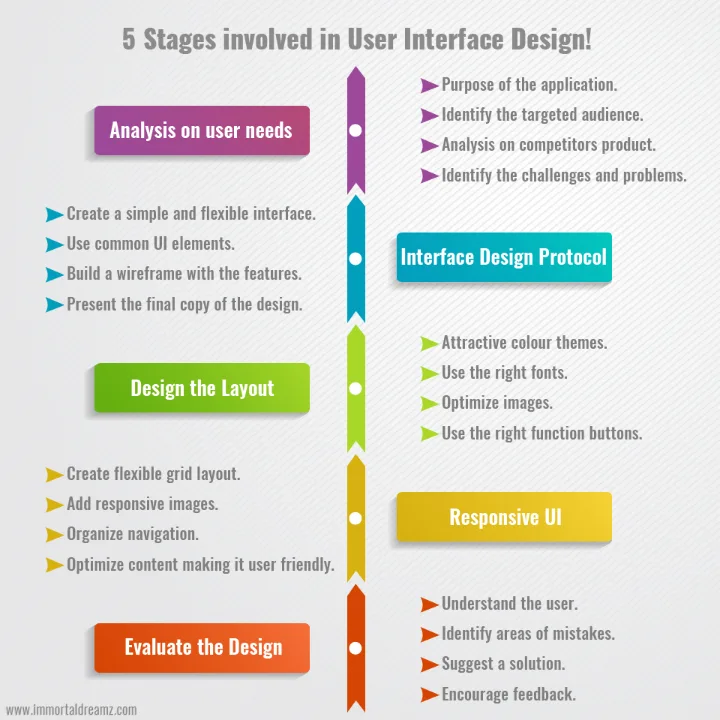
Generally, the idea generation stage is the biggest challenge in product development that product managers face.
Many times, your product development team often faces creative blocks when making the right decision.
Undoubtedly, there are many companies out there that sell similar types of products/services. Still, they face a dilemma in coming up with creative juices each time, especially if they are working within a specific niche or industry.
Robert Johnson, Founder of Sawinery, believes that creating an idea is never a simple task; it's the most challenging part of the product development lifecycle process as many factors are considered when developing a product.
The most creative nerds of the organization face such roadblocks, and this is usually the case when the product development team does not have clear insights into customer needs, who is the target customer and how their idea is different from others.
Need help evaluating whether your idea is the right product-market fit?
Solution:
Unique product ideas don't work unless the market is ready to buy. If this is the case with you, don't develop a product. Figure out market needs first and then develop a product.
Research studies from CB Insights suggest that most startups fail not because they don't have adequate cash but rather because they come up with developing products that don't target a market need.
So, if you develop a product without understanding the market need and your client's pain points, it will fail miserably. Eventually, it would lead to the company's downfall.
Solution:
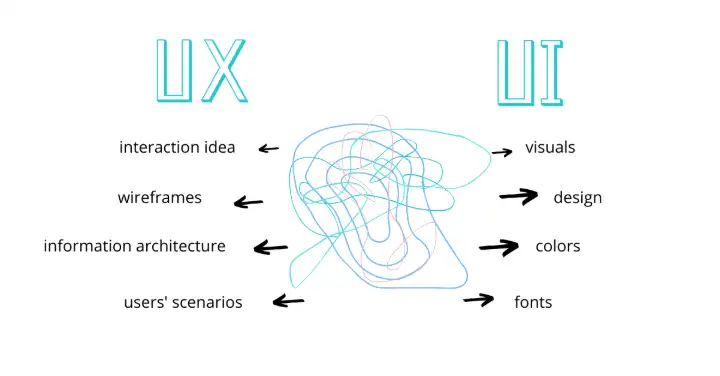
Even if your product works perfectly, you will lose the game, if your customers hate the UI/UX design. Treat design and UI/UX as the culprits of the entire product development process.
Most startups focus on selecting the right technology stack in creating a product.
At the same time, they forget to decide the product design. Or they will consider designing the product quickly and jumping over to the final development stage.
Such poor designs make your startups lose money post-release. Furthermore, various designers fail to communicate their requirements to developers.
On the other hand, developers focus on removing irrelevant elements because they truly don't understand the importance of a design.
Are you worried about creating engaging UI/UX designs that give an "AHA" feeling to your customers?
Solution:
Many startups are stuck somewhere in making the optimal decisions as to whether to choose mainstream technology or go with newer and shinier technologies.
They are tempted to use the latest technologies in their product development process.
Investing in such technologies requires an adequate budget; if you lack experience working with such a tech stack, you might struggle to create a high-quality product.
In such a case, developers would ask you for more money to use technologies they have never used before.
Solution:
Before choosing the technology stack, startups need to consider various things-
Therefore, you need to choose the right technology for your project.
Consult your developers, business analysts, and architects for the right technology. Nothing is worse than choosing the wrong technology that's not the perfect match for developing a software product.
A common product development challenge is dealing with complexity and technicalities related to software, such as the scope of the project, number of features and functionalities and can there be a seamless integration with existing systems or technologies.
Moreover, finding the right development team can be a significant challenge.
For Instance – If you want to develop a new application, you need a skilled person with technical expertise in programming languages, databases, frameworks, networks, and security.
In such a case, finding developers in that specific area sounds like an intimidating task.
Product development requires team efforts. Even if an organization finds skilled developers, assembling the team is time-consuming and resource intensive.
Solution:
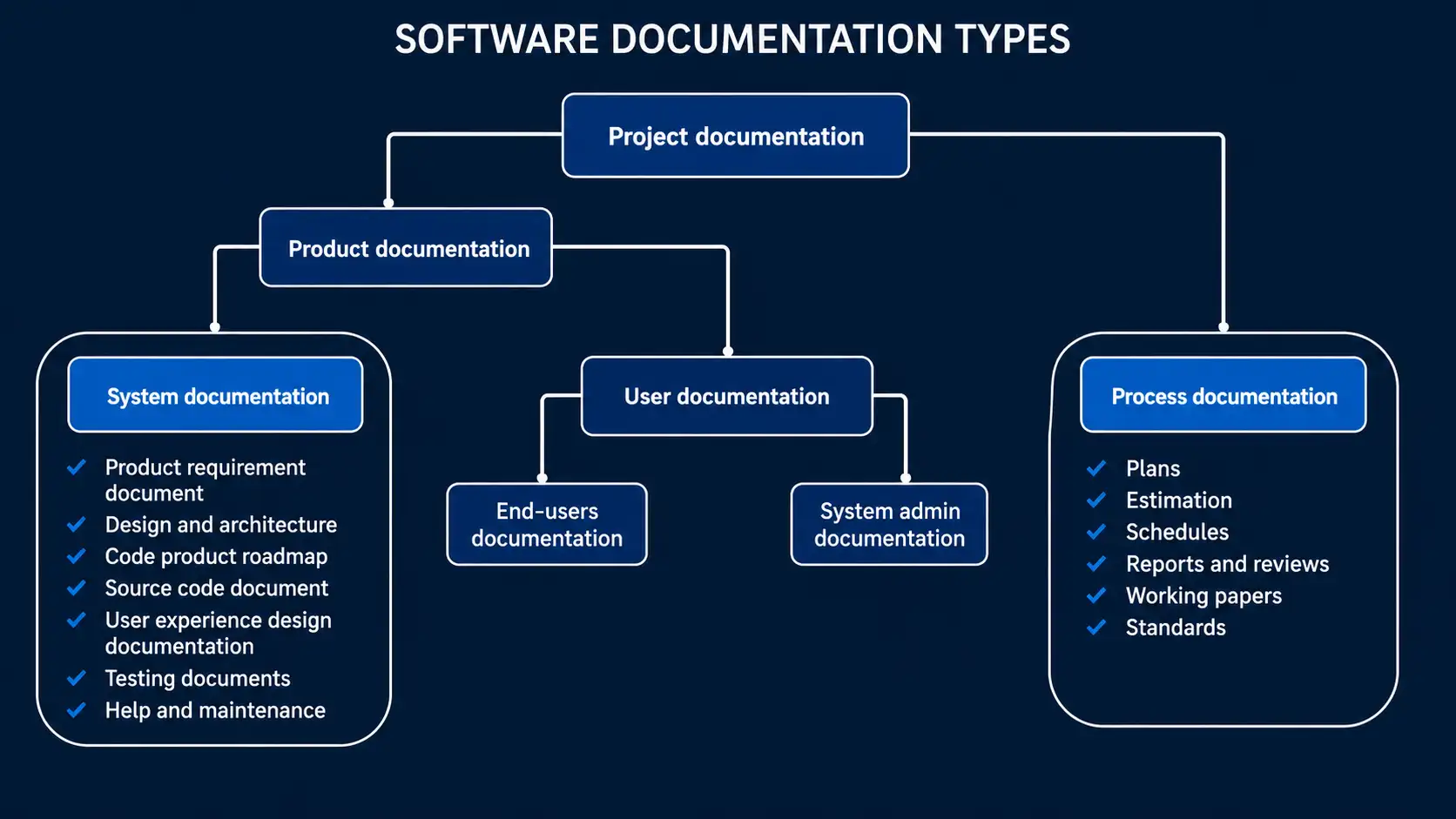
Another challenge in product development is the internal and external knowledge base. Any software development project in which developers are working should have hands-on documentation.
Moreover, such documentation preserves the code for developers and smoothens the workflows in the future. However, many software developers fail to create extensive, user-friendly documentation.
Solution:
There should be clear, concise, and relevant documentation because it will help beginners who are just digging into the software world. Such on-point guides help new team members to catch up on development tricks and much more.
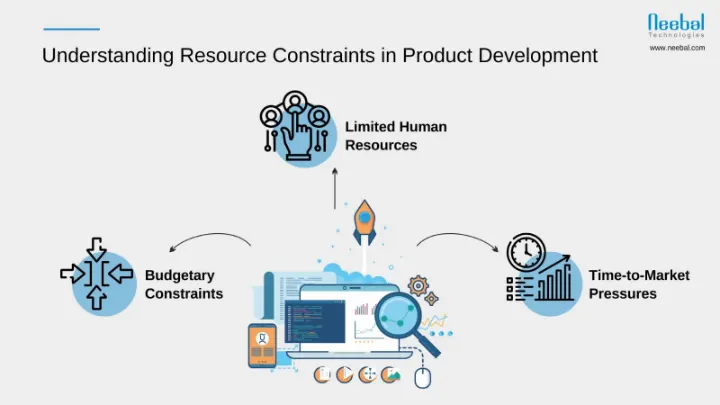
Managing resource constraints is another product development challenge.
Such constraints occur due to strict deadlines, a shortage of skilled professionals, and outdated or inadequate infrastructure.
The software development industry is an evolving field where technology trends and customer demands change rapidly.
Developing apps comes with strict deadlines, and software developers have no choice but to deliver the project quickly.
They tend to compromise with software quality while pushing themselves towards the development process.
Software development projects require financial constraints on technology infrastructure, tools, and human resource investments.
The need for more skilled professionals makes it challenging for the company to deliver the project on time and meet tight deadlines.
Also, with an increasing demand for growing fields such as AI and cybersecurity, hiring managers face difficulty retaining top-notch developers.
Solution:
To optimize resource constraints, product managers should focus on a product's most important and valuable features. Leverage the capabilities of existing resources and streamline your processes.
Make sure to monitor and control the performance of your project on a timely basis.
A lack of collaboration between different teams affects the development speed and quality of the final product.
When leaders cannot manage workflow effectively, teams might not be able to work together, affecting software speed and quality.
So, there comes the need for a product manager who communicates with every organization member and ensures everyone is on the same page.
Solution:
To manage workload, product managers can use "Trello" and "Jira," a project management tool that helps them to organize operations, allowing teams to manage everything through a centralized dashboard and providing them full visibility of their tasks and deadlines.
Another biggest product development challenge entrepreneurs face is choosing the wrong development team (both in-house and outsourced).
Finding the appropriate candidate for a project is challenging. You should not only look at salary requirements but also assess the software developers' coding skills and relevant experience.
Solution: Check out the portfolio and testimonials of the development team before onboarding them.
In a nutshell, product development is an altogether complex and time-consuming process. Moreover, developing a new product requires expertise and effective organization.
This guide covered everything you need to know about common product development challenges, but an experienced product manager knows how to deal with and address such issues quickly.
But, to give you a glimpse of what we covered above make sure to conduct market research effectively and know the real pain points of your customers.
Optimize your resources, and don't just fall into the trap of launching a final product. Release the MVP first, take customer feedback, and then work on creating a final version.
Additionally, resource constraints posed a significant challenge for companies to ace the game of product development.
Not to worry more?
With 13+ years of expertise in product development, we are here to transform your vision into a digital product that generates revenue for your clients.
We have been developing innovative products for startups and enterprises by bringing the right people and using the right strategies and frameworks to add value to your business.
So, leverage our expertise of our product managers and get everything under one roof, ranging from new product development, product modernization, quality assurance services, product support and maintenance, etc.
Common challenges include idea generation, identifying market needs, UI/UX issues, technology selection, technical complexity, resource constraints, workflow management, documentation, and choosing the right development team.
Businesses can conduct market research, interview potential customers, analyze competitors, identify customer pain points, and validate the idea by developing an MVP.
Good UI/UX improves usability, customer satisfaction, and product adoption. A technically strong product can still fail if users find it difficult or frustrating to use.
Consider the product requirements, scalability, development timeline, budget, security needs, and the development team's expertise before selecting a technology stack.
An MVP allows businesses to launch a basic version of a product, collect feedback from real users, validate assumptions, and improve the product before investing heavily in full-scale development.
Prioritize high-value features, allocate resources effectively, streamline workflows, monitor project progress, and avoid spending time and budget on unnecessary features.
The right development team brings relevant technical expertise, experience, communication skills, and problem-solving abilities, helping ensure the product is delivered efficiently and meets business requirements.
Teams can improve workflow through clear communication, defined responsibilities, regular collaboration, and project management tools such as Jira or Trello.


•
Sr. Technical Writer•
Articles