








From the first dataset review to model optimization in production, you get a clear path for the vision work your team actually needs.



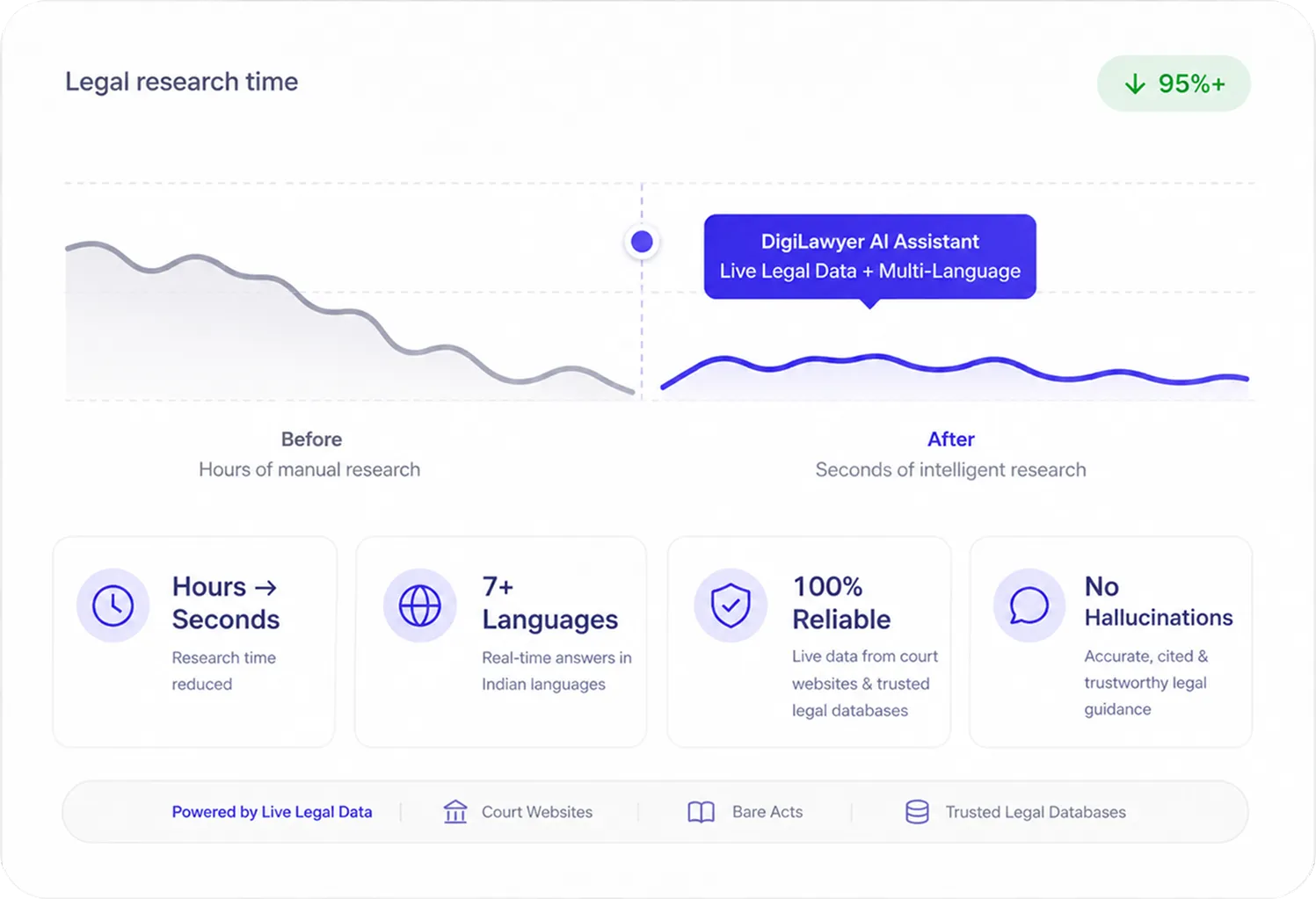
DigiLawyer needed an AI assistant that could answer rights questions with live legal context, including for users in tier 2 and tier 3 cities.
Over 200 daily user queries in the first month, with legal research time reduced from hours to seconds.
Most CV demos look fine on curated slides. You need models that survive messy cameras, shifting lighting, and the systems your operators already use.
You are not buying a model name. You are buying a team that can prove one visual KPI, integrate it, and keep it accurate when the real world shifts.

Cameras, documents, and floor conditions differ by domain. We shape models and integrations around how your industry actually captures visual work.


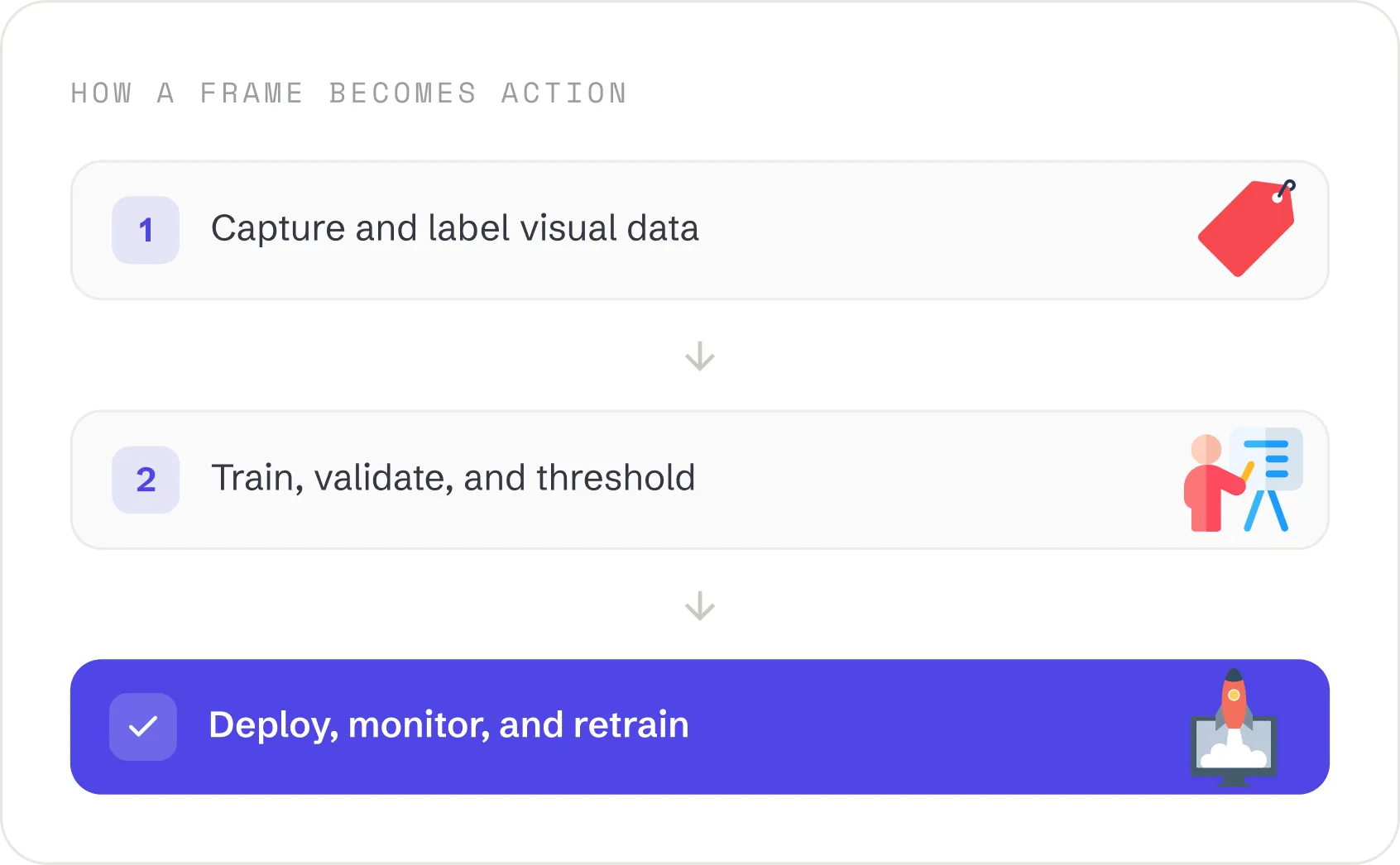
You get a six-step path from the visual problem to monitored production, with clear gates so spend follows proven accuracy.
Start with a scoped pilot, expand to a full vision build, or embed a dedicated team. Pricing stays Custom until we see your data and cameras.


These published results show how BigOhTech ships AI that teams use. They are not labeled as computer vision products.
Generic vision APIs and in-house-only hires often stall after a demo. Compare what you get when production accuracy, integration, and monitoring matter.


Different goals need different visual systems. Pick the use-case shape that matches how your teams capture images and video today.


Stack choice follows your cameras, latency budget, and cloud standards. We stay on tools BigOhTech already delivers with on AI and ML programs.










Cloud and platform partners help you train, serve, and scale vision workloads without locking every decision to one vendor.





We build vision systems that read cameras, documents, and video so your teams act on defects, IDs, and events without waiting on manual review. Why are enterprises still investing in visual AI when so many PoCs stall?
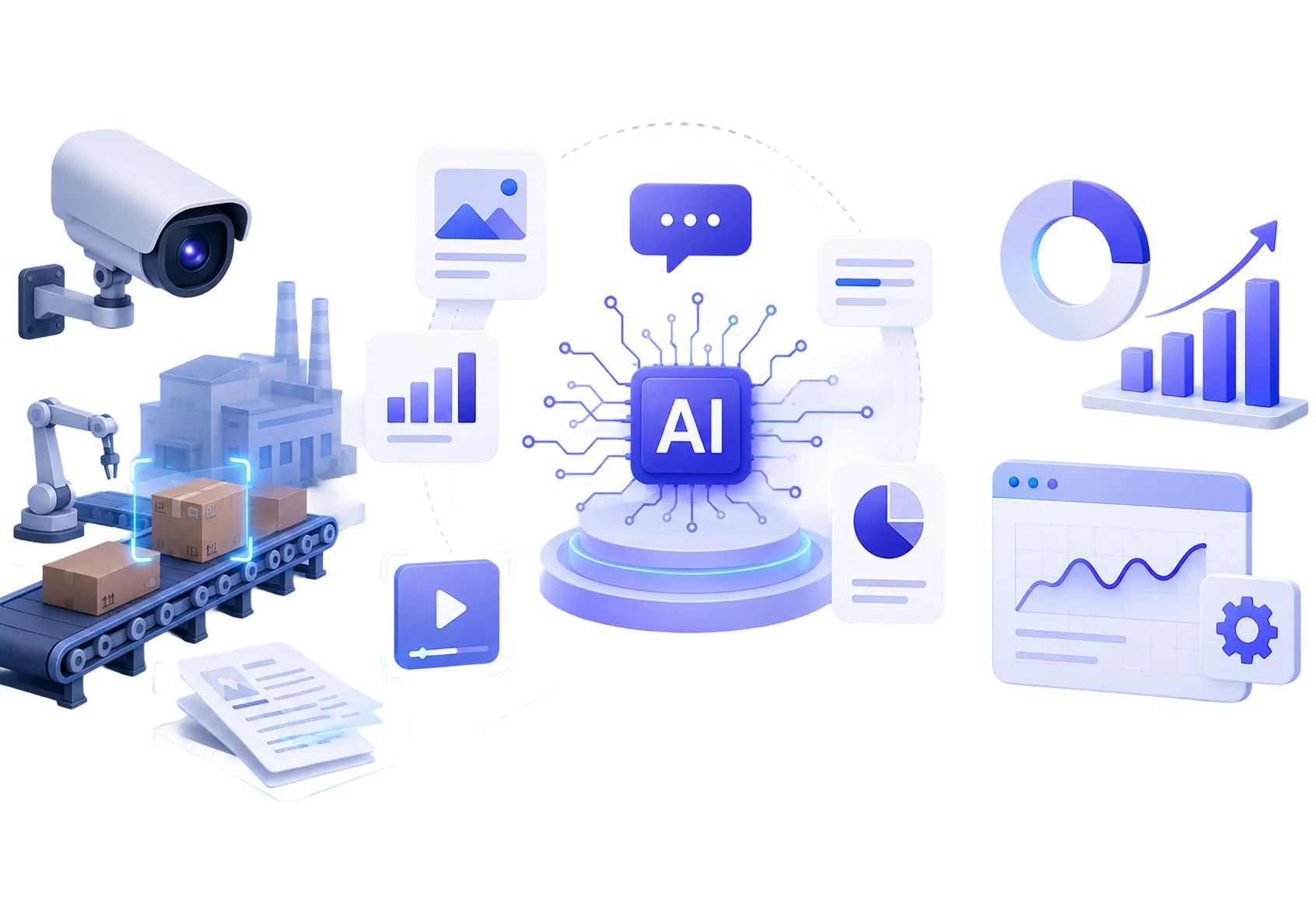
These capabilities combine so your product can see, read, and act on visual inputs with thresholds your operators accept.





Yes. Dedicated vision engineers can pair with your team on data, training, deployment, and MLOps without taking ownership of your IP.
A focused pilot can often land in weeks once cameras and sample data are available. Full production builds typically take longer based on classes, hardware, and integration depth.
You need enough representative images or video to learn from. If labels are thin, we start with a data assessment and annotation plan before heavy training spend.
Yes. You can begin with a 40-hour free engagement on one visual KPI before committing to a full computer vision build.
Yes. We expose predictions through secure APIs and workflows so operators and systems receive alerts, counts, or OCR fields where work already happens.
We fine-tune on your classes, integrate into your stack, and own monitoring after go-live instead of leaving you with a demo endpoint.
We scope consent, retention, and access with your legal team. Delivery follows our ISO 27001 certified security practices and your industry rules.
Choose edge when latency, offline operation, or frame privacy dominate. Choose cloud when you need elastic training and centralized serving across many sites.
We monitor prediction confidence and error queues, sample hard cases, and retrain on versioned datasets when lighting, packaging, or cameras change.
They cover consulting, custom model and software build, integration with your systems, data labeling support, deployment on edge or cloud, and monitoring with retraining after launch.
Share your project goals, timeline, and technical requirements. We'll review your requirements and send a tailored solution with an indicative estimate within 48 business hours.